

- Email info@ChamundaSwamiJi.com
- Call +1-516-933-7590
-
 Email
info@ChamundaSwamiJi.com
Email
info@ChamundaSwamiJi.com
-
 Call
+1-516-933-7590
Call
+1-516-933-7590


Book an Appointment
Informative
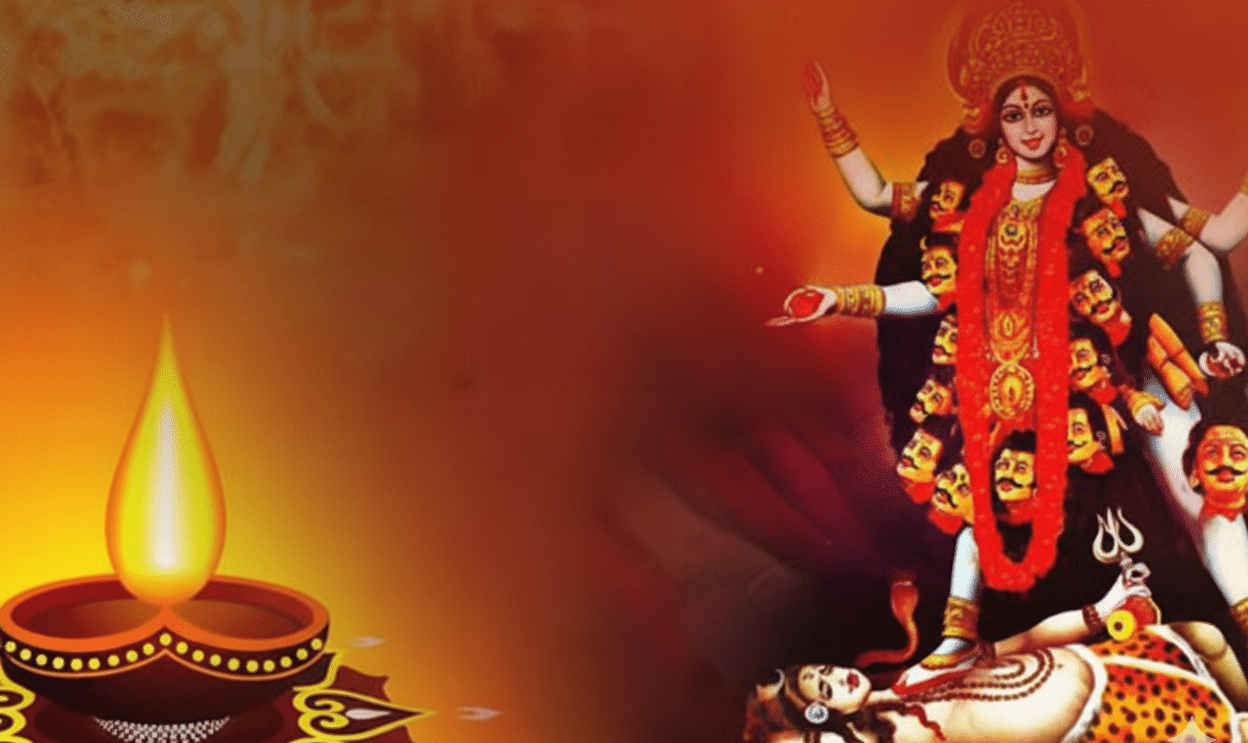
Why We Celebrate Narak Chaturdashi
Narak Chaturdashi, also called Chhoti Diwali, is observed a day before the main Diwali festival. W
hile many see it as a day of oil baths, lamps, and festive cheer, the deeper story reveals lessons about ego, karma, and inner transformation, as well as a profound understanding of body, mind, and seasonal rhythms.
The Story of Narakasura: Ego and Cosmic Justice
At the heart of this festival is Narakasura, the son of Bhudevi (Mother Earth) and Varaha, the boar incarnation of Lord Vishnu. Blessed with extraordinary strength and divine boons, he grew arrogant and cruel. His tyranny spread fear across kingdoms as he captured hundreds of women and defied the gods themselves.
But Narakasura’s story is not just about cruelty; it is about how unchecked ego blinds even the most powerful beings. He ignored dharma and indulged in selfish desires. This imbalance eventually called for divine intervention.
The gods, unable to confront him directly, sought the help of Lord Krishna, who came with Satyabhama, an incarnation of Bhudevi. Since Narakasura’s boon made him invulnerable to all except his mother’s power, Satyabhama’s presence became decisive. Together, they defeated him, liberating the imprisoned women and restoring balance. This tale symbolizes the triumph of virtue over vice, dharma over adharma, and light over darkness.
Lessons from the Story
The story of Narakasura teaches timeless lessons that remain relevant today. It reminds us that ego and arrogance always lead to consequences, regardless of how invincible we feel. Karma is constant, and even the most powerful must face it. At the same time, it shows the power of alignment with dharma and divine energy how righteousness, discipline, and devotion can overcome darkness.
In modern life, Narak Chaturdashi encourages us to confront our inner demons, temper our pride, and reflect on the consequences of our actions. It is a call to prepare mentally and spiritually for the joy, abundance, and light that Diwali brings.
Celebrating Narak Chaturdashi 2025: Step by Step Guide
Narak Chaturdashi is more than ritual it is a thousand-year-old tradition, carefully designed by our ancestors who understood the interplay of nature, body, and mind. Each practice is purposeful, blending spiritual significance with practical benefits.
Rising Early
The day begins before sunrise, a time when the world is quiet and energy is still. Rising early aligns us with natural rhythms, especially as the days shorten and nights grow longer in the month of Kartik. The cool morning air invigorates the senses, clears the mind, and readies the body for purification. This discipline has been practiced for centuries, reminding us that conscious living begins with awareness of time and nature.
A key tradition is the oil bath, often combined with a gentle massage using sesame or herbal oils. The warmth of the oil stimulates circulation, invigorates the body, and strengthens immunity especially important as the weather cools. The massage is soothing yet stimulating, awakening the senses while relaxing tension from muscles and joints.
Herbal pastes like haldi (turmeric) and ubtan are applied to the skin, leaving it nourished, protected, and fragrant. These centuries-old practices were designed with astute knowledge of Ayurveda, allowing the body to prepare for seasonal change while simultaneously purifying and energizing the mind. Every ritual movement massaging, cleansing, applying fragrant pastes encourages mindfulness, creating a harmony of body, mind, and spirit that our ancestors intuitively understood.
Lighting Diyas
After the bath, homes are illuminated with clay lamps (diyas). The soft glow represents the dispelling of darkness, not only in the home but within the mind and heart. As the lamps burn, they encourage reflection on inner negativity, ego, and fear. Simultaneously, the light attracts positive energy and auspicious vibrations, preparing the environment for the joy and abundance of Diwali.
Even from a practical standpoint, the warm light during longer nights helps regulate mood and circadian rhythms, enhancing calmness and mental clarity. Our ancestors, with profound insight, created rituals that nurtured both spiritual awareness and physiological balance, long before modern science could explain the benefits.
Prayer and Mantra Recitation
Reciting prayers or mantras is an integral part of Narak Chaturdashi. Focusing the mind on divine names and energies brings a sense of alignment and purpose. It strengthens inner awareness, calms restlessness, and enhances clarity. This intentional practice helps prepare the mind to absorb higher wisdom, fostering the peace and presence needed for deeper spiritual experiences.
Reflection and Gratitude
Finally, the day encourages quiet reflection. Contemplate the story of Narakasura and the lessons it brings. Consider areas of life where pride, fear, or ego may dominate. Visualize the inner light overcoming these shadows. By connecting the story to personal reflection, the festival becomes not just an external celebration but an internal transformation.
The Modern Relevance of Narak Chaturdashi
Even today, Narak Chaturdashi resonates with timeless truths. It reminds us to face inner negativity, practice discipline, and align with dharma before celebrating outward abundance. The rituals, designed with centuries of observation, integrate spiritual, physical, and psychological wisdom. They prepare us holistically for the full illumination and prosperity of Diwali.
Our ancestors understood the deeper significance of seasonal shifts, shorter days, and cooler temperatures. The oil bath, fragrant pastes, and lighted lamps were not mere traditions they were a science of well-being, consciousness, and spiritual readiness passed down through generations. Participating in these practices connects us to this lineage of wisdom, reminding us that every act has meaning.
Narak Chaturdashi is a celebration of light over darkness, virtue over vice, and preparation over complacency. Through these rituals, we honor a story that is thousands of years old, yet deeply relevant today. The defeat of Narakasura is symbolic of our inner struggles and the triumph of dharma through awareness, discipline, and devotion.
This Chhoti Diwali, as you rise early, bathe, light lamps, and reflect, may you cleanse your body, calm your mind, and illuminate your spirit. May the inner light of wisdom and virtue guide you through challenges and bring joy, clarity, and abundance into your life.
Happy Narak Chaturdashi. May this festival prepare you for the true light of Diwali, within and around you.
Therefore, seeking guidance from spiritual experts is imperative to get that unique mantra, meditation, and spiritual method crafted exclusively for you for the spiritual awakening you seek. And hence, we recommend you practice these interpretations and practices mentioned above under the guidance of an expert. Please subscribe to our mailing list to stay connected and receive spiritual information. In case of any queries, please write to us at info@chamundaswamiji.com.
You can check out our YouTube channel Chamunda Swamiji where you can learn Tantra, Mantra, Yantra, and Meditation from His Holiness Shri Chamunda Swamiji. If you seek to learn Shakti Kriya, please register with us, and we will get back to you.
Post a Comment
-
Subscribe to Our Blog
-
Categories
-
Popular Articles
- Orange butterfly: Spiritual Significance
- The Dasa Mahavidyas
- Maa Bhuvaneshwari | The Dasa Mahavidyas
- The Ghosts of Ganagapur Temple, Karnataka
- Vivah Bandhan Curse – What Is It and How to Spiritually Heal It.
- Tripura Sundari | The Dasa Mahavidya
- What are Beej Mantras?
- Decoding the Maha Mrityunjay Mantra: Origin, Meaning, and Benefits
- The Five Shades of Tantra
- 9 Most Powerful Tantric Temples in India